Cultural perceptions of gambling how society shapes our understanding and behavior
Historical Context of Gambling
Gambling has a long and storied history, dating back thousands of years. Ancient civilizations, such as the Chinese and Romans, engaged in various forms of gambling, from dice games to betting on gladiatorial contests. These early instances reflected not only a desire for entertainment but also societal views on luck, fate, and the divine. As societies evolved, so too did their approach to gambling, which often mirrored their cultural values and economic conditions. You can explore a modern take on this history at mrfortunecasino-canada.com, which showcases a diverse array of gaming options.
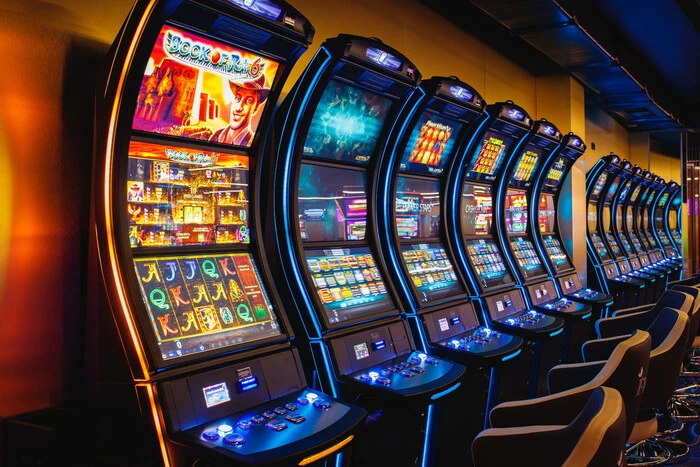
In medieval Europe, gambling was often frowned upon by the church, which viewed it as a vice that could lead to moral decay. However, as the Renaissance unfolded, a more liberal attitude began to emerge, and gambling became increasingly integrated into social gatherings and entertainment. This change highlights how societal perceptions can shift, illustrating a complex relationship between morality, recreation, and economic necessity.
In contemporary times, gambling has transformed into a multi-billion-dollar industry, influenced by technological advancements and globalization. Various cultural attitudes toward gambling now coexist, from acceptance and celebration in some societies to stigma and criminalization in others. This duality demonstrates how historical precedents continue to inform current perceptions and behaviors surrounding gambling.
Societal Influences on Gambling Attitudes
Society plays a crucial role in shaping individual attitudes toward gambling. Social norms, cultural traditions, and prevailing economic conditions can either encourage or discourage gambling behavior. For instance, in cultures where risk-taking is celebrated, such as in certain indigenous communities, gambling may be seen as a rite of passage or a communal activity. Conversely, in more conservative societies, gambling might be viewed as irresponsible or immoral.
Moreover, the portrayal of gambling in media significantly impacts societal perceptions. Movies, television shows, and advertisements often romanticize the gambling lifestyle, emphasizing the thrill of winning while downplaying the risks of addiction and financial loss. This glamorization can create an illusion of easy wealth, influencing individuals to participate in gambling despite potential negative consequences. Consequently, the media serves as both a mirror and a mold for societal attitudes.
Additionally, the role of legislation and regulation can’t be overlooked. Countries with more lenient gambling laws tend to have more positive societal views toward gambling. In these environments, gambling is often seen as a legitimate form of entertainment, supported by consumer protections and responsible gaming initiatives. In contrast, strict regulations can perpetuate stigma and reinforce negative perceptions, affecting how people engage with gambling activities.
Cultural Variations in Gambling Practices
Cultural variations in gambling practices reveal much about societal values and attitudes. In countries like Macau and Las Vegas, gambling is not just an activity but a significant aspect of the economy and tourism. These regions have developed intricate gambling cultures that celebrate both the thrill of the game and the social gatherings that accompany them. Such practices reflect an acceptance of gambling as a mainstream form of entertainment.
On the other hand, in some Asian cultures, traditional beliefs regarding luck and fortune influence gambling practices. For instance, during Lunar New Year celebrations, games of chance are commonly played, reflecting cultural significance beyond mere entertainment. In these contexts, gambling can embody deeper spiritual and social meanings, showcasing the complex interplay between tradition and modernity.
The impact of cultural heritage also extends to the types of games played and the settings in which they occur. For example, indigenous tribes in North America often incorporate traditional elements into their gaming practices, creating a unique blend of cultural identity and economic opportunity. This highlights how cultural perceptions not only shape gambling behavior but also reinforce community ties and heritage.
The Psychological Aspects of Gambling
Understanding the psychological aspects of gambling reveals how societal perceptions can influence individual behavior. Cognitive biases, such as the illusion of control and gambler’s fallacy, can lead individuals to believe they have a greater chance of winning than is statistically accurate. These perceptions are often shaped by societal narratives about luck and success, which can lead to persistent gambling behavior despite negative outcomes.
Additionally, the social context of gambling can create a sense of belonging. For many, visiting a casino or participating in a poker game is as much about social interaction as it is about the gamble itself. This communal aspect can reinforce gambling behavior, making it more difficult for individuals to recognize when their participation crosses into problematic territory. As such, the societal framing of gambling as a social activity can obscure the risks involved.
Furthermore, the stigma surrounding gambling addiction can complicate individuals’ willingness to seek help. In societies where gambling is viewed negatively, those struggling with addiction may feel isolated or ashamed, hindering their recovery efforts. This stigma, shaped by cultural narratives, can perpetuate a cycle of secrecy and denial, illustrating the profound impact societal attitudes can have on individual behavior.

Mr Fortune Casino: A Modern Perspective
Mr Fortune Casino embodies a modern approach to gambling, offering a wide array of games that cater to diverse preferences. By providing a safe and licensed environment, it reflects an understanding of contemporary gambling culture that prioritizes player safety and enjoyment. This focus on security and responsible gaming aligns with evolving societal perceptions that advocate for responsible participation in gambling activities.
The casino’s generous welcome bonuses and promotional offers illustrate the competitive nature of today’s gambling market, drawing players from various backgrounds. These incentives not only enhance the gaming experience but also challenge traditional views of gambling as solely a high-risk endeavor. Instead, Mr Fortune Casino promotes it as a form of entertainment that can be enjoyed responsibly, reflecting a shift toward more positive societal engagement with gambling.
Moreover, the platform’s commitment to user convenience through fast withdrawals and mobile accessibility resonates with a tech-savvy audience. This modern approach underscores how cultural perceptions of gambling are being reshaped by technological advancements, making it more accessible and socially acceptable. In this context, Mr Fortune Casino exemplifies the changing landscape of gambling, blending tradition with innovation to create a culturally relevant gaming experience.